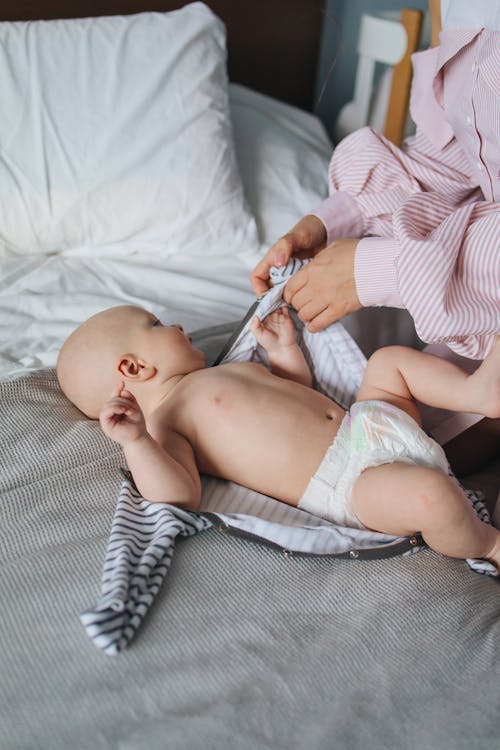
Air quality for babies isn’t just a nice-to-have. It’s a medical priority. The EPA reports that indoor pollutant concentrations typically run 2 to 5 times higher than outdoor levels. Babies breathe faster than adults, take in more air relative to their body weight, and have immune systems that are still learning to cope with environmental stressors. That combination makes them uniquely vulnerable to whatever is circulating through your home’s ductwork.
The CDC reports that 4.5 million children currently have asthma. While genetics play a role, early exposure to indoor pollutants is a known risk factor. The nursery you’ve spent weeks painting, furnishing, and decorating could be pushing airborne contaminants directly at your newborn through the supply register above the crib — contaminants from years of accumulated duct debris, off-gassing furniture, and volatile organic compounds from that fresh coat of paint.
This guide covers seven proven steps to protect air quality for babies, from professional duct cleaning before the baby arrives to HEPA filtration, VOC reduction, and practical daily habits. Every recommendation is grounded in data from the EPA, CDC, WHO, and ENERGY STAR. Whether you’re preparing a nursery in Lee’s Summit, Overland Park, or anywhere in the Kansas City metro, these steps give your baby the cleanest possible start.
TL;DR: Indoor pollutants run 2-5x higher than outdoor levels (EPA), and babies are far more vulnerable to them than adults. Seven proven steps — duct cleaning before the due date, VOC reduction, HEPA filtration, humidity control, duct sanitization, smart nursery setup, and ongoing maintenance — protect your newborn from airborne contaminants that circulate through your HVAC system.
Why Is Air Quality for Babies a Bigger Concern Than for Adults?
The WHO attributes 3.2 million deaths annually to household air pollution worldwide. Infants are disproportionately affected because their respiratory systems are still developing. A newborn breathes 30 to 60 times per minute — roughly twice the adult rate — pulling more air per pound of body weight through lungs that haven’t yet built the defenses adults take for granted.
Developing Lungs, Developing Immune Systems
An infant’s lungs aren’t miniature adult lungs. They’re actively forming. Alveoli — the tiny air sacs where oxygen enters the bloodstream — continue multiplying well into early childhood. Exposure to particulate matter, mold spores, and chemical vapors during this critical growth window can interfere with normal lung development. The damage isn’t always visible right away. It can manifest as childhood asthma, increased respiratory infections, or reduced lung capacity that follows a child for years.
Babies also lack the robust mucus membranes and immune responses that help adults filter and neutralize airborne irritants. An adult’s nose and throat trap a significant percentage of larger particles before they reach the lower airways. A newborn’s smaller, less-developed airways don’t filter as effectively. More of what’s in the air reaches the deepest parts of the lungs.
And then there’s proximity. Babies spend most of their time lying down — in cribs, on play mats, on changing tables. Heavier particles settle toward the floor. A baby breathing at crib height is inhaling air from the zone where settled dust, pet dander, and allergens concentrate. Adults walk through this zone. Babies live in it.
The Indoor Exposure Problem
The EPA reports that Americans spend approximately 90% of their time indoors. For a newborn, that number is closer to 100%. Babies don’t commute. They don’t run errands. They don’t spend lunch breaks outside. For the first several months of life, nearly every breath a baby takes comes from indoor air — air that’s been filtered through your home’s HVAC ductwork.
That means every contaminant in your duct system — every grain of pollen from last spring, every spore of mold from last summer’s humidity, every particle of dust mite waste that’s accumulated over years — is part of your baby’s breathing environment. Unlike an adult who spends hours at an office or in a car, your baby has no exposure diversity. Whatever is in your home’s air is what they breathe. All day. All night.
Most parents obsess over what touches their baby’s skin and what goes into their baby’s mouth. They sterilize bottles, wash clothes in special detergent, and research every ingredient in diaper cream. But the air their baby breathes — 30 to 60 times per minute, every minute of every day — rarely gets the same scrutiny. It’s invisible, so it feels abstract. But the duct system delivering air to the nursery hasn’t been examined or cleaned in years in most homes. You wouldn’t feed your baby from a bottle that hadn’t been washed in three years. The air supply deserves at least the same level of attention.

Tip 1: How Does Duct Cleaning Before Baby Arrives Protect Nursery Air?
According to ENERGY STAR, 20 to 30% of conditioned air is lost through duct leaks in a typical home. Those same leaks allow unfiltered contaminants to enter the system. Professional duct cleaning before a baby arrives removes years of accumulated dust, allergens, pet dander, and biological debris from the air delivery system that feeds every room in the house — including the nursery.
Why the Third Trimester Is the Best Time
Schedule duct cleaning during the third trimester — ideally four to eight weeks before the due date. This timing gives you a freshly cleaned duct system before the baby arrives without the risk of scheduling too close to delivery day. It also allows any residual cleaning dust to fully settle and be captured by the furnace filter before the baby is breathing nursery air.
Cleaning earlier in the pregnancy works too, but the closer to the due date you clean, the fresher the system is when the baby comes home. Waiting until after the baby arrives is possible but harder to coordinate. You’ll need to vacate the house during the cleaning, which is a lot simpler when the baby is still in utero rather than in a car seat.
We’ve cleaned ducts for dozens of expecting families across Lee’s Summit and Overland Park. The pattern is consistent: parents who schedule cleaning during the third trimester are calmer about it than those who scramble to fit it in with a week-old newborn at home. One couple in Lee’s Summit told us they added duct cleaning to their pre-baby checklist right alongside installing the car seat and assembling the crib. They treated it as a nesting task, not an afterthought. That mindset — treating the air supply as essential nursery prep — makes the whole process smoother.
What a Pre-Baby Duct Cleaning Removes
A professional cleaning removes physical debris from every supply and return run in the system. For a home that hasn’t been cleaned in three to five years, that debris includes accumulated household dust, pet dander (even from a previous homeowner’s pets), pollen from multiple allergy seasons, mold spores, insulation fibers, and dust mite waste. All of it has been sitting inside the ductwork, and all of it recirculates every time the HVAC runs.
The cleaning process uses negative-pressure vacuum equipment connected to the main trunk line. A technician works through each register individually, agitating debris from duct walls with rotating brushes or compressed air. The vacuum captures everything and removes it from the system. Post-cleaning, the ductwork delivers significantly cleaner air to every room.
For expecting families, we also recommend inspecting the evaporator coil and blower assembly. These HVAC components sit in the airstream upstream of the ductwork. A dust-caked evaporator coil or debris-loaded blower wheel contaminates the air even after the ducts are clean. A thorough pre-baby cleaning addresses the whole air pathway, not just the ducts.
Tip 2: How Do VOCs in New Nursery Furniture Affect Air Quality for Babies?
The EPA identifies volatile organic compounds as a major contributor to indoor pollution levels that run 2 to 5 times higher than outdoor concentrations. New nursery furniture — cribs, dressers, changing tables, gliders — is one of the most common sources of VOCs in a baby’s room, and the off-gassing is strongest during the first weeks after unpacking, exactly when the baby arrives.
What’s Off-Gassing in the Nursery
That “new furniture smell” is volatile organic compounds entering the air. Pressed wood products — particleboard, MDF, plywood — release formaldehyde from adhesive resins. Foam mattress pads emit toluene and other petrochemical vapors. Painted surfaces release VOCs even after they feel dry to the touch. New carpet or area rugs add another layer of chemical off-gassing. Stacked together in a small nursery, these sources create a concentrated VOC environment.
Off-gassing is highest during the first two to four weeks after a product is unwrapped. Then it tapers, but it doesn’t stop entirely. Some products continue releasing low levels of VOCs for months. A crib mattress that off-gasses formaldehyde sits inches from where your baby sleeps for 14 to 17 hours a day. That proximity and duration of exposure matters — especially for a respiratory system that’s still developing.
The HVAC system compounds the problem. Your furnace filter doesn’t capture VOCs. They’re gases, not particles. The HVAC pulls VOC-laden nursery air into the return duct, passes it through a filter designed for particulate, and recirculates the gases right back into the room. Without active ventilation or purification, VOCs accumulate in the nursery faster than they dissipate.
How to Reduce Nursery VOC Exposure
Assemble and unbox all nursery furniture four to six weeks before the due date. Open the nursery windows as much as weather allows during that period. In Kansas City, this is easier in spring and fall than in July’s heat or January’s cold, but even cracking a window for a few hours daily helps. The goal is to let the most intense off-gassing happen before the baby sleeps in the room.
Choose solid wood furniture over pressed wood when budget allows. Solid wood contains far fewer adhesive resins and off-gasses less. Look for cribs and furniture certified as low-VOC or meeting GREENGUARD Gold standards, which set emission limits specifically for products used in spaces occupied by children and vulnerable populations.
Paint the nursery at least three to four weeks before the due date, using zero-VOC or low-VOC paint. Even with low-VOC formulations, paint releases compounds during curing that take days to weeks to fully dissipate. Painting one week before the baby arrives doesn’t give enough time. And skip the urge to close the nursery door to “contain” paint fumes — that traps VOCs in the room. Keep the door open and a window cracked to promote air exchange.
Parents spend enormous energy choosing the right crib, the right mattress, the right paint color. Far fewer spend any time thinking about how those products interact with their HVAC system. Here’s the connection most people miss: your nursery’s supply register blows conditioned air across new furniture surfaces, accelerating off-gassing. Then the return register pulls that VOC-rich air into the duct system and redistributes it. The HVAC doesn’t clean the air of VOCs — it circulates them. This is why air purification in the nursery (more on that below) specifically addresses what duct cleaning and furnace filters can’t: gaseous pollutants that pass through particulate filters untouched.

Tip 3: Why Does HEPA Filtration Matter for Nursery Air Quality?
The EPA confirms indoor pollutant levels run 2 to 5 times higher than outdoor concentrations, and standard HVAC filters weren’t designed to reduce those levels to what an infant’s lungs need. HEPA filtration — whether portable or whole-home — captures 99.97% of particles at 0.3 microns, including dust mite waste, mold spores, pollen, and pet dander that standard furnace filters miss.
Portable HEPA Units for the Nursery
A portable HEPA air purifier running in the nursery 24/7 provides a dedicated layer of filtration for the room where your baby spends the most time. Choose a unit rated for the nursery’s square footage and run it continuously on a low or medium setting. Modern units designed for nurseries operate at noise levels comparable to white noise machines — many parents find the hum actually helps the baby sleep.
Place the purifier where airflow won’t blow directly onto the crib. Across the room from the crib, on the floor or a low shelf, is ideal. This positioning lets the unit circulate and filter room air without creating a direct draft on the baby. Keep the unit running even when the baby isn’t in the room — it takes time to cycle the room’s air volume, and a unit that’s been running continuously maintains cleaner baseline air than one that’s switched on and off.
Replace HEPA filters according to the manufacturer’s schedule. A HEPA filter that’s past its replacement date still captures particles, but at reduced efficiency. Most units need a new HEPA filter every 6 to 12 months. Some have pre-filters that catch larger particles and extend HEPA filter life — clean or replace pre-filters monthly.
Whole-Home Air Purification: Going Beyond the Nursery
A portable unit protects one room. A whole-home air purification system protects every room your baby enters — the nursery, the living room, the kitchen, your bedroom during nighttime feeding. These systems install directly into your HVAC, treating all circulated air before it reaches supply registers.
For families with newborns, whole-home purification is worth considering because babies don’t stay in the nursery all day. They’re carried from room to room, they nap in different spots, and they’ll eventually crawl across every floor in the house. A nursery-only approach leaves gaps. A whole-home system doesn’t.
The most effective strategy combines both: a whole-home system for baseline protection throughout the house and a portable HEPA unit in the nursery for an extra layer of filtration where the baby sleeps. It’s belt-and-suspenders thinking, but when it comes to a newborn’s air quality, redundancy isn’t overkill.
Tip 4: How Does Duct Sanitization Protect a Baby’s Immune System?
The CDC reports 4.5 million children currently have asthma, and early exposure to mold and biological irritants is a known risk factor. Duct sanitization goes beyond mechanical cleaning to treat microbial contamination — mold spores, bacteria, and allergens — that clings to duct surfaces even after debris is physically removed.
When Sanitization Matters Most for New Parents
Mechanical duct cleaning removes physical debris. Sanitization treats the biological residue left behind. Not every home needs sanitization, but several scenarios make it especially relevant for expecting families.
If your duct inspection reveals visible mold growth — even minor patches — sanitization after cleaning helps neutralize spores and prevent regrowth. If the home has experienced any water damage near HVAC components, microbial contamination is likely and sanitization is strongly recommended. If you have pets, biological debris from dander and saliva accumulates on duct surfaces in ways that mechanical cleaning alone doesn’t fully address.
Kansas City’s humid summers make mold in ductwork more common than homeowners realize. When outdoor humidity pushes past 70% — which happens regularly from June through September — condensation can form on cool duct surfaces inside the system. That moisture plus the organic dust already coating the ducts creates conditions for mold colonization. A pre-baby sanitization in a Kansas City home heading into or coming out of summer is a smart precaution.
What Sanitization Involves
After mechanical cleaning removes loose debris, the technician applies an EPA-registered antimicrobial treatment to interior duct surfaces. This isn’t a spray-and-hope approach. The treatment contacts the surfaces where mold spores and bacteria reside, reducing the biological load within the duct system. The products used are formulated for HVAC applications and are safe for occupied homes when applied according to manufacturer guidelines.
Sanitization is always a complement to cleaning, never a substitute. Spraying sanitizer into dirty ducts is like spraying disinfectant on a muddy floor — the underlying contamination prevents the treatment from reaching the surface. Clean first. Sanitize second. That sequence gives you mechanically clean ductwork with reduced biological contamination — the best possible starting point for nursery air.
Tip 5: What Humidity Level Is Safest for a Baby’s Nursery?
The EPA notes that indoor environments with uncontrolled humidity contribute to the pollutant levels that run 2 to 5 times higher than outdoor concentrations. For a baby’s nursery, maintaining humidity between 30% and 50% relative humidity is the sweet spot — low enough to discourage dust mites and mold, high enough to keep delicate airways from drying out.
Why Humidity Extremes Hurt Babies
High humidity feeds dust mites. They absorb moisture from the air, and populations explode when indoor relative humidity exceeds 50%. Mold growth accelerates too. In Kansas City’s summers, indoor humidity easily exceeds 60% without air conditioning or dehumidification — and the duct system becomes a breeding ground when cool surfaces collect condensation in humid air.
Low humidity dries infant airways. In Kansas City’s winters, forced-air heating can drop indoor humidity below 20%. Dry air irritates the mucus membranes that line a baby’s nose and throat — the same membranes that serve as a first-line defense against airborne particles. A baby breathing dry air all night may wake with a stuffy nose, dry cough, or cracked skin. None of these symptoms mean the baby is sick. They mean the air is too dry.
A hygrometer in the nursery — an inexpensive digital humidity gauge — lets you monitor levels in real time. Place it at crib height, not on a high shelf. Humidity can vary several percentage points between floor level and ceiling level, and you want to know what the baby is actually breathing.
Managing Kansas City’s Humidity Swings
Kansas City’s climate makes nursery humidity management a year-round task. Summer demands dehumidification. Winter demands humidification. The shoulder seasons are easier but shorter.
In summer, your air conditioning system handles some dehumidification as a byproduct of cooling. But on muggy days, AC alone may not keep nursery humidity below 50%. A portable dehumidifier or a whole-home dehumidifier integrated with the HVAC system fills the gap. Whole-home units are more convenient — they operate automatically and drain continuously without you emptying a tank.
In winter, a cool-mist humidifier in the nursery adds moisture without the burn risk of warm-mist models. Clean the humidifier daily or every other day to prevent bacterial and mold growth in the water reservoir. A dirty humidifier defeats the purpose — it disperses biological contaminants into the air you’re trying to keep clean. Use distilled water to minimize mineral dust, and replace filters or wicks on the manufacturer’s schedule.
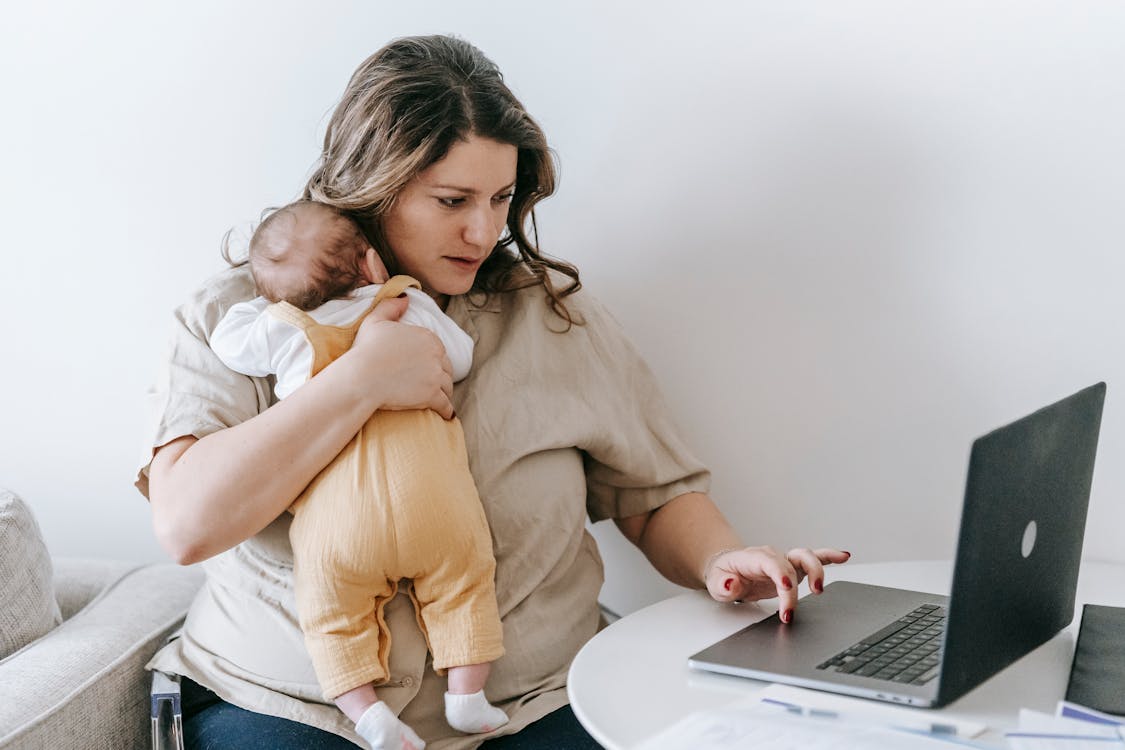
Tip 6: How Should You Set Up the Nursery to Maximize Air Quality?
Americans spend approximately 90% of their time indoors (EPA), and for a baby, the nursery is the single room where that exposure concentrates most heavily. Smart nursery layout — crib placement, register awareness, and material choices — reduces your baby’s direct exposure to airborne contaminants even before you address ductwork or filtration.
Crib Placement Relative to HVAC Registers
Don’t place the crib directly under or in front of a supply register. The supply register blows conditioned air into the room. Whatever’s in that airstream — even in a well-maintained system — flows directly across the crib and into the baby’s breathing zone. A few feet of distance between the register and the crib allows air to mix and disperse before reaching the baby. Particles settle. Temperature evens out. The air reaching the crib is more homogeneous and less concentrated.
Return registers are less of a direct concern for the crib — they pull air in rather than push it out. But don’t block them with furniture. A blocked return register creates a pressure imbalance in the nursery, which can pull unfiltered air through gaps around the door, from the attic, or from wall cavities. Keep returns clear for proper airflow and filtration.
We’ve walked through nurseries where the crib sat directly beneath a supply register. When we asked why, parents said the room layout didn’t offer many options. In most cases, shifting the crib 18 to 24 inches was enough to move it out of the direct airstream. In one Overland Park home, the supply register was centered on the ceiling and the nursery was small — there was no good crib position. The homeowner installed a magnetic register deflector that angled the airflow toward the wall instead of straight down onto the crib. Simple solution. Ten dollars. It didn’t clean the air, but it redirected the stream away from where the baby slept.
Material Choices That Reduce Airborne Contaminants
Hard floors beat carpeting for nursery air quality. Carpet traps dust, pet dander, and allergens, then releases them when disturbed — every footstep sends particles airborne. Hardwood, tile, or vinyl flooring is easier to clean and doesn’t harbor hidden contaminants. If you want softness underfoot, use a washable area rug that you can launder regularly rather than wall-to-wall carpet that traps everything permanently.
Skip heavy curtains and fabric-covered walls. These absorb and hold VOCs, dust, and allergens. Simple blinds or washable curtains are easier to keep clean. The fewer soft, porous surfaces in the nursery, the fewer places airborne contaminants can settle and re-enter the air.
Bedding matters too. Use organic cotton or certified low-VOC fabrics for crib sheets, mattress protectors, and blankets. Wash all new fabrics before first use to remove manufacturing residues and sizing chemicals. Hot water is more effective than cold at removing these compounds.
Tip 7: What Ongoing Maintenance Keeps Nursery Air Clean Long-Term?
According to ENERGY STAR, heating and cooling accounts for 43 to 48% of a typical home’s energy use, meaning the HVAC system runs extensively year-round. Every hour it runs, it circulates air through your ductwork and into the nursery. Ongoing maintenance — not a one-time cleaning — is what keeps air quality for babies consistently high across months and seasons.
The New Parent Air Quality Maintenance Calendar
Maintaining nursery air quality isn’t complicated, but it needs to be consistent. Here’s a maintenance schedule designed specifically for households with infants.
Monthly: Replace the HVAC furnace filter. Standard recommendation is every 90 days, but homes with babies benefit from monthly changes. A fresh filter captures more particles before they enter the duct system. Use MERV 11 to 13 filters if your system supports them — check your HVAC manual or ask your technician for the maximum rating your system can handle without restricting airflow.
Monthly: Clean or replace the pre-filter in any portable HEPA purifier. Check the humidity level in the nursery and adjust humidifier/dehumidifier settings seasonally. Clean the humidifier reservoir thoroughly if one is in use.
Quarterly: Wipe down all supply and return registers in the nursery and adjacent rooms with a damp cloth. Dust builds on register louvers and re-enters the airstream when the system cycles. A quarterly wipe-down takes five minutes and prevents registers from becoming a secondary contamination source.
Every 6 months: Replace the HEPA filter in portable nursery air purifiers (or follow manufacturer schedule — some last 12 months). Inspect the nursery for any visible mold growth around windows, baseboards, or near the HVAC register. Kansas City’s humidity transitions in spring and fall make these the highest-risk periods for new mold.
Every 3 years: Schedule a professional duct cleaning and inspection. This removes the new accumulation of household debris, pet dander, pollen, and biological material that builds up even in a well-maintained system. For homes with pets, a 2-year interval is more appropriate.
Daily Habits That Protect Air Quality
The big steps — duct cleaning, purification, humidity control — set the foundation. Daily habits maintain it. Vacuum nursery floors at least every other day using a vacuum with a sealed HEPA filtration system. Regular vacuums can exhaust fine particles back into the room. HEPA-sealed vacuums trap them.
Dust nursery surfaces with a damp cloth, not a dry duster. Dry dusting pushes particles into the air. A damp cloth captures them. Focus on horizontal surfaces: the top of the dresser, the window sill, the changing table, the crib rails. These are the surfaces where settled dust accumulates fastest and where the baby’s hands and mouth are most likely to make contact.
Keep the nursery door open when the HVAC is running. A closed door with the system operating can create negative pressure in the room, pulling unfiltered air from attic spaces, wall cavities, or outdoors through gaps in the building envelope. An open door maintains balanced airflow and lets the whole-home HVAC filter do its job.

Why Do Kansas City Parents Face Unique Air Quality Challenges?
The EPA reports indoor pollutant concentrations run 2 to 5 times higher than outdoor levels. In the Kansas City metro, seasonal climate extremes and an aggressive pollen season amplify those indoor challenges in ways that parents in milder climates simply don’t face.
Extreme Seasons Mean Year-Round HVAC Dependence
Kansas City doesn’t have a long “windows open” season. Summer heat and humidity push indoor temperatures above 90 degrees without air conditioning. Winter cold drops below freezing for weeks at a stretch. That leaves narrow windows in spring and fall — maybe a few weeks total — where you can ventilate the nursery naturally without running the HVAC.
The rest of the year, the HVAC runs. Constantly. ENERGY STAR notes that heating and cooling accounts for 43 to 48% of home energy use, and in Kansas City’s climate, that percentage skews toward the higher end. Every hour the system runs, it pushes air through your ductwork and into the nursery. Clean ductwork delivers clean air. Dirty ductwork delivers contaminated air. There’s no off-season where the system rests and the ducts stop mattering.
For parents bringing a baby home in July or January, the HVAC will run virtually nonstop. There’s no option to “just open a window” for fresh air exchange during a heat wave or a deep freeze. The duct system isn’t a supporting player in the nursery’s air quality during these months. It’s the entire show.
Pollen, Mold, and the Kansas City Allergen Calendar
Kansas City’s pollen season stretches from March through October — tree pollen in spring, grass in summer, ragweed in fall. Each season’s pollen infiltrates the home, enters the duct system, and accumulates alongside every previous season’s deposits. A baby born in October arrives to ductwork that captured eight months of pollen. Without cleaning, that pollen recirculates through the nursery all winter.
Summer humidity compounds the issue. When outdoor humidity exceeds 70%, moisture can condense on cool duct surfaces inside the system. That condensation plus accumulated organic dust creates mold-friendly conditions. The WHO attributes 3.2 million deaths annually to household air pollution, and mold is a significant contributor. Kansas City homes — especially older ones in established Lee’s Summit and Overland Park neighborhoods — face elevated mold risk in ductwork during and after every humid summer.
Across our service calls in the Kansas City metro, homes with babies or expecting parents represent a growing portion of our duct cleaning appointments. These families consistently report two primary concerns: allergies triggered by pollen circulating through the HVAC system, and anxiety about mold growth in ductwork during Kansas City’s humid summers. The geographic pattern is clear — Lee’s Summit and Overland Park homes built in the 1970s through 1990s, with original galvanized steel ductwork, show the heaviest contamination at inspection. Newer construction with flex duct or smooth-wall metal runs cleaner but still accumulates meaningful debris within three to five years. No home is exempt from the Kansas City allergen load.
What’s the Complete Pre-Baby Air Quality Checklist?
With the EPA reporting that Americans spend 90% of their time indoors — and newborns spending virtually 100% — having a clear, actionable checklist makes the difference between good intentions and actual clean air. Here’s everything covered in this guide, organized by timing.
8-12 Weeks Before Due Date
Paint the nursery using zero-VOC or low-VOC paint. Ventilate the room aggressively for at least three to four weeks post-painting. Assemble and unbox all nursery furniture. Leave the room well-ventilated to allow initial VOC off-gassing from new products. Research and purchase a portable HEPA air purifier sized for the nursery.
4-8 Weeks Before Due Date
Schedule and complete professional duct cleaning. Add sanitization if the inspection reveals mold or biological contamination. Install a fresh HVAC furnace filter (MERV 11-13). Set up the portable HEPA purifier in the nursery and run it continuously. Install a hygrometer at crib height to monitor humidity. Set up a humidifier or dehumidifier as the season requires.
2-4 Weeks Before Due Date
Finalize crib placement away from direct HVAC register airflow. Wash all new bedding, clothing, and fabric items in hot water. Wipe down all nursery surfaces with a damp cloth. Replace the HVAC furnace filter one more time. Verify humidity is in the 30-50% range. Start the daily vacuuming and damp-dusting routine so it’s habit before the baby arrives.
After Baby Arrives
Maintain the monthly filter change schedule. Continue running the HEPA purifier 24/7. Monitor humidity daily and adjust seasonally. Follow the quarterly and semi-annual maintenance calendar outlined in Tip 7. Schedule professional duct inspection annually and full cleaning every three years — sooner if you have pets or notice increased dust.
Frequently Asked Questions About Air Quality for Babies
Is air duct cleaning safe to do while pregnant?
Yes, but timing matters. The cleaning process itself is safe — professional equipment uses negative pressure and HEPA-filtered vacuums that contain debris rather than releasing it. However, the process temporarily stirs up some dust and takes a couple of hours. Most expecting parents prefer to be out of the house during the cleaning, which is why scheduling during the third trimester — while you’re still mobile enough to leave comfortably — works best. The ductwork is fully clean when you return.
How often should I change the HVAC filter with a newborn in the house?
Monthly. The standard 90-day recommendation is designed for typical households. A home with a newborn benefits from fresh filters every 30 days to maintain peak filtration efficiency. Use the highest MERV rating your system supports — typically MERV 11 to 13. Higher ratings capture finer particles, but going beyond your system’s capacity restricts airflow and can stress the blower motor. Check your HVAC manual or ask your technician for guidance.
Can dirty air ducts cause respiratory problems in babies?
Contaminated ductwork circulates dust mite waste, mold spores, pet dander, and accumulated particulate through every room in the house, including the nursery. The CDC reports 4.5 million children currently have asthma, and early exposure to indoor allergens and irritants is a known risk factor. Removing stored contaminants from the air delivery system through professional cleaning reduces the allergen load in the air your baby breathes on every HVAC cycle.
Do I need both a HEPA purifier and duct cleaning for the nursery?
They address different problems. Duct cleaning removes stored debris from the air delivery system — the source contamination that recirculates every time the HVAC runs. A HEPA purifier captures airborne particles in real time as they enter the nursery from cooking, pet activity, open doors, and normal household living. Cleaning eliminates the backlog. Purification maintains ongoing air quality. Together, they provide the most complete protection. One without the other leaves a gap.
What temperature should a baby’s nursery be?
Pediatricians generally recommend 68 to 72 degrees Fahrenheit for infant sleep. This range supports safe sleep practices and keeps the HVAC system running at moderate levels rather than extreme heating or cooling. At these temperatures, humidity management is easier to maintain in the 30-50% target range. Avoid overheating the nursery — it’s a greater concern for infant safety than a slightly cool room.
How do I know if my home’s air quality is affecting my baby?
Watch for persistent congestion unrelated to a cold, frequent sneezing in the nursery, unexplained coughing (especially at night or upon waking), watery eyes, and disrupted sleep. These symptoms in an otherwise healthy baby can indicate airborne irritant exposure. They aren’t diagnostic on their own — always consult your pediatrician. But if symptoms improve when you leave the house and return when you come home, the indoor environment deserves investigation, starting with a duct inspection.
Give Your Baby the Cleanest Air From Day One
You’ve baby-proofed the outlets. Installed the car seat. Washed every onesie twice. The nursery looks perfect. But what about the air filling it? The EPA reports indoor pollutants run 2 to 5 times higher than outdoor levels, and your newborn will breathe that indoor air 30 to 60 times per minute, every minute, from the moment you bring them home.
Seven steps. Clean the ductwork before the baby arrives. Reduce VOCs by setting up nursery furniture early. Add HEPA filtration for real-time particle capture. Sanitize duct surfaces when biological contamination is present. Control humidity in the 30-50% zone. Set up the nursery layout to minimize direct register exposure. And maintain the system monthly, quarterly, and annually to keep air quality high as your baby grows. None of these steps are complicated. All of them matter.
Duct Pros serves families throughout the Kansas City metro, including Lee’s Summit, Overland Park, and surrounding communities. We specialize in air duct cleaning, sanitization, and air purification for families preparing for a new baby. Your nursery deserves the same level of care underground as above. Call 816-377-1898 to schedule your pre-baby duct cleaning, or visit our services page to learn more.