

Dryer vent cleaning in Overland Park isn’t something most Johnson County homeowners think about until something goes wrong. But the National Fire Protection Association (NFPA) reports 15,970 home fires per year involving dryers and washing machines, resulting in 13 deaths, 440 injuries, and $238 million in property damage. Failure to clean is the leading cause, responsible for 33% of those fires. That’s not a footnote. It’s the number one reason dryers catch fire in American homes.
Overland Park sits in a unique position within the Kansas City metro. Johnson County’s housing stock — much of it built between the 1970s and 1990s — means dryer vents in many OP homes are original installations that have been collecting lint for 30 to 50 years. Combine that with Kansas’s cold winters and wet springs, which drive heavy dryer use, and you’ve got conditions that accelerate lint buildup beyond what homeowners in milder climates experience.
This guide covers eight safety tips built specifically for Overland Park homeowners. Every statistic comes from a named source. There’s no generic advice recycled from national content — this is tailored to the housing, climate, and conditions that OP residents actually deal with. If you’re looking for our dedicated Overland Park dryer vent cleaning service page, that covers pricing and scheduling. This post focuses on the knowledge that helps you protect your home and family.
TL;DR: Overland Park homes face elevated dryer fire risk from Johnson County’s aging housing stock, heavy seasonal dryer use, and long vent runs common in larger OP homes. The NFPA reports failure to clean causes 33% of 15,970 annual dryer fires. OP homeowners should schedule professional dryer vent cleaning annually and inspect flex duct connections for damage each time.
Tip 1: Why Is Dryer Vent Cleaning Critical for Overland Park Homes?
Dryer fires are more preventable than most homeowners realize. The NFPA found that dust, fiber, and lint are the items first ignited in 26% of dryer fires — tied with clothing at 26% (NFPA). Lint is the fuel source. A clogged vent is the delivery system. And the fix — professional cleaning — eliminates both the fuel and the restriction in a single appointment.
Overland Park’s Housing Stock Creates Specific Risk
Drive through neighborhoods like Indian Creek, Nottingham, Oak Park, or the subdivisions along College Boulevard, and you’ll see well-maintained homes from the 1970s through 1990s. These homes look great on the outside. But behind the walls, many still have their original dryer vent installations — rigid metal runs and transitions that have accumulated lint for three to five decades without professional cleaning.
Newer south Overland Park subdivisions near 159th Street and the Stilwell corridor have more modern installations. But even these homes aren’t immune. Builders often install the minimum vent configuration that meets code, and homeowners rarely think about what’s inside those walls until drying times double or a burning smell appears.
Johnson County is one of the most affluent counties in Kansas, and OP homes tend to be larger than the metro average. Bigger homes often mean laundry rooms positioned farther from exterior walls, which translates to longer dryer vent runs with more bends. Each additional foot and each 90-degree elbow creates another spot where lint accumulates. A 25-foot vent run with three elbows collects lint dramatically faster than a 10-foot straight shot through a wall.
Kansas Weather Drives Heavy Dryer Use
Climate matters here. Overland Park homeowners run dryers heavily from October through April — roughly seven months where line-drying outdoors isn’t practical. Cold winters mean heavier fabrics like blankets, coats, and sweaters that shed more lint per load. Wet springs mean muddy clothes from kids and pets that require extra wash-and-dry cycles.
That seasonal intensity means OP dryer vents accumulate lint faster than homes in climates where residents can air-dry laundry year-round. A vent that might go two years before needing attention in Phoenix could reach a critical restriction level in 12 to 14 months in Overland Park.
Tip 2: What Are the Warning Signs of a Clogged Dryer Vent?
The Consumer Product Safety Commission (CPSC) reports approximately 15,500 dryer fires per year, causing 10 deaths, 310 injuries, and $84.4 million in property damage. Most of these fires don’t happen without warning. Your dryer sends clear signals that the vent is restricted long before conditions become dangerous — if you know what to watch for.
Performance Warning Signs
Your dryer’s behavior is the first indicator. Pay attention to these changes:
- Clothes need two cycles to dry. This is the most common early sign. A load that used to dry in 45 minutes now takes 90. The dryer still produces heat, but restricted airflow prevents moisture from escaping efficiently.
- The dryer exterior feels unusually hot. Touch the top and sides of the dryer during a cycle. If the surface is too hot to keep your hand on comfortably, heat is building up inside because it can’t exhaust through the vent.
- Clothes come out hotter than normal. Excessively hot clothing at the end of a cycle means the dryer is overheating. This stresses the heating element, thermostat, and motor.
- The laundry room feels humid during operation. Moisture that should exit through the vent is instead escaping into the room. You might notice condensation on windows or a damp, heavy feeling in the air.
Visual and Sensory Warning Signs
Some signs you can see or smell without checking dryer performance:
- Burning smell during dryer operation. This is urgent. Lint is combustible, and a burning odor means lint may be contacting the heating element or exhaust components. Stop the dryer immediately and don’t use it until the vent is inspected.
- Lint accumulation around the exterior vent cap. Walk outside and check where your dryer vent exits the house. If you see lint clinging to the cap, the wall, or the ground beneath it, the vent is pushing lint through but not exhausting efficiently.
- The exterior vent flap doesn’t open during dryer operation. The flap should push open when the dryer runs. If it stays closed, something is blocking airflow inside the vent.
- Visible lint behind the dryer. Pull the dryer out a few inches and look behind it. Lint on the floor, on the flex duct, or around the connection points means lint is escaping the system — and more is building up inside the vent line.
Any single sign warrants an inspection. Multiple signs mean it’s time for professional dryer vent cleaning in Overland Park without delay.

Tip 3: How Often Should Overland Park Homeowners Clean Dryer Vents?
Most fire safety organizations recommend annual dryer vent cleaning, and the NFPA data supports that cadence — failure to clean remains the leading cause of dryer fires at 33% of all incidents (NFPA). For Overland Park households, annual cleaning is the right baseline. But several OP-specific factors can shorten that timeline for some homes.
Factors That Shorten the Cleaning Interval
Annual cleaning works for most homes. But consider moving to every 6 to 9 months if any of these apply to your household:
- Large family with heavy laundry volume. A household running the dryer daily produces significantly more lint than a couple doing four loads a week. Volume matters.
- Pets in the home. Pet hair and dander mix with lint in the vent system. Homes with multiple dogs or cats accumulate vent debris faster.
- Long vent run or multiple elbows. If your dryer sits in an interior laundry room with a 20-plus-foot vent run to the exterior wall, lint accumulates faster at each bend. Many Overland Park homes have this configuration.
- Roof-exit vent. Vertical vent runs to the roof fight gravity. Lint that would fall to the bottom of a horizontal run instead sits along the interior walls of a vertical pipe, creating restriction faster.
- Older home with original vent installation. Vents installed in the 1970s or 1980s may have undersized diameters, extra bends from remodeling, or deteriorated interior surfaces that trap lint more readily.
What About the NADCA Recommendation?
The National Air Duct Cleaners Association (NADCA) recommends inspecting HVAC ducts annually and cleaning every 3 to 5 years. That guideline applies to air ducts, not dryer vents. Dryer vents operate at higher temperatures, carry combustible lint, and face a direct fire risk that air ducts don’t. The cleaning interval for dryer vents is shorter — annually at minimum — because the consequences of neglect are more immediate and severe.
In our Overland Park service calls, we’ve noticed that homes in neighborhoods like Lionsgate, Deer Creek, and the College Boulevard corridor tend to have longer vent runs because the laundry rooms are often on the second floor or positioned centrally in the home. These longer runs consistently show heavier lint accumulation at the 12-month mark than homes with short, straight vent configurations. We recommend these homeowners err on the side of annual cleaning without exception.
Tip 4: How Does Professional Dryer Vent Cleaning Actually Work?
Professional dryer vent cleaning removes accumulated lint from the full length of your vent system — not just the first few inches a homeowner can reach. The CPSC reports 15,500 dryer fires annually ($84.4 million in damage), and the cleaning process specifically targets the lint accumulation that causes those fires (CPSC). Understanding the process helps you evaluate whether a provider is doing thorough work or cutting corners.
The Professional Cleaning Process
A thorough dryer vent cleaning follows a specific sequence. Each step matters, and skipping any of them leaves the job incomplete:
- Dryer disconnect and pullout. The technician pulls the dryer away from the wall, disconnects the flex duct, and inspects the area behind the dryer for lint accumulation and damage.
- Flex duct inspection. The short flexible connector between the dryer and wall port gets checked for crushes, kinks, tears, or improper material. If it needs replacement, that’s discussed before cleaning begins.
- Full-length brush cleaning. A rotating brush sized for the vent diameter runs through the entire vent from one end to the other. The brush dislodges compacted lint from the interior walls, bends, and joints.
- High-powered vacuum capture. While the brush works, a vacuum connected to the opposite end captures loosened lint and debris. This ensures material is removed from the system, not just pushed around.
- Exterior cap inspection. The outside vent cap gets checked for blockages, pest nesting, broken flaps, and proper function. A stuck or missing flap lets rodents, insects, and weather into the vent system.
- Airflow verification. After cleaning, the technician runs the dryer and confirms strong exhaust output at the exterior cap. You can feel the difference.
- Reconnection and repositioning. The flex duct is reconnected (or a new one installed), secured with proper clamps, and the dryer is pushed back into position without crushing the duct.
The entire process takes 30 to 60 minutes for a standard residential vent. Longer runs, roof exits, or severe clogs may extend that timeline.
What DIY Methods Miss
Hardware stores sell dryer vent brush kits — long flexible rods with a brush head that you feed into the vent from the dryer connection point. These kits reach farther than a vacuum hose, and they’re better than doing nothing. But they have limitations.
DIY kits can’t match the suction power of professional vacuum equipment. They struggle with vents that have multiple 90-degree bends. And they don’t verify whether the vent is actually clear after cleaning — you’re guessing. For short, straight vents with light buildup, a DIY brush can extend the time between professional cleanings. For anything more complex, professional equipment makes the difference between a partially cleared vent and a fully cleaned system.

Tip 5: Should You Replace Your Dryer Flex Duct During Cleaning?
The NFPA reports that dryers cause 92% of the 15,970 annual laundry equipment fires (NFPA). The flex duct — that short, flexible connector behind your dryer — is one of the most common weak points in the system. If it’s crushed, kinked, torn, or made of flammable material, a clean vent line upstream won’t protect you from a fire that starts right behind the dryer.
Three Types of Flex Duct — and Only One Is Safe
Not all dryer flex ducts are created equal. Here’s what you need to know about each type:
- Foil flex duct. Thin, shiny, accordion-style material that crushes easily and sags under its own weight. Foil flex traps lint in its ridges, restricts airflow, and lacks structural integrity. Most fire safety professionals recommend against it. Many building codes in Johnson County no longer allow it for new installations.
- Vinyl flex duct. White or gray plastic material that can’t withstand dryer exhaust temperatures. Vinyl softens, sags, and degrades over time. Some jurisdictions have banned it entirely for dryer connections because it melts.
- Semi-rigid aluminum duct. The recommended material. Semi-rigid aluminum holds its shape, resists crushing, handles exhaust heat without degrading, and has a smoother interior that reduces lint accumulation. This is what should be behind every dryer.
When Replacement Is Necessary
During a dryer vent cleaning appointment, the technician inspects the flex duct as part of the standard process. Replacement is recommended when:
- The flex duct is crushed or kinked from the dryer being pushed against the wall
- The material is foil or vinyl rather than semi-rigid aluminum
- Visible holes, tears, or disconnected joints are present
- The flex duct is excessively long, creating unnecessary bends and lint traps
- Lint is visibly escaping from the flex connections into the space behind the dryer
In our experience across the Kansas City metro, roughly one in three dryer vent cleaning appointments reveals a flex duct that should be replaced. The most frequent finding in Overland Park homes is a foil flex that’s been crushed against the wall because the dryer was pushed back too far after the last time someone moved it. Homeowners almost never know this is happening until a technician pulls the dryer out and shows them. Homes in OP built during the 1990s and early 2000s frequently still have the original foil flex installed by the builder — material that’s been slowly degrading for 25 to 30 years.
Dryer flex replacement in Overland Park takes 15 to 30 minutes during a vent cleaning visit. It’s a modest addition to the appointment that eliminates one of the most common fire risk points behind the dryer.
Tip 6: How Does Overland Park’s Climate Affect Dryer Vent Safety?
Kansas City ranks #20 out of 100 metro areas in the Asthma and Allergy Foundation of America’s (AAFA) Allergy Capitals report. That ranking reflects the region’s aggressive pollen, humidity, and weather patterns — the same conditions that drive heavy dryer use and accelerate vent contamination in Overland Park homes throughout the year.
Winter: Peak Dryer Season in Johnson County
Kansas winters are cold. Overland Park regularly sees temperatures below freezing from December through February, with stretches of single-digit cold that keep everyone indoors. That means heavier laundry loads — blankets, coats, hoodies, flannels — all producing more lint per cycle than lightweight summer clothing.
Winter also means holiday gatherings with extra bedding and towels. Families hosting guests cycle through significantly more laundry than usual. The dryer runs harder, longer, and more frequently during the exact months when the exterior vent cap may be partially blocked by ice or snow.
Spring and Fall: Mud, Pollen, and Transition Seasons
Kansas City springs are wet. April and May bring rain that turns Johnson County yards into mud zones, especially for families with kids and dogs. That means extra laundry loads — grass-stained clothes, muddy towels, damp outerwear — all going through the dryer and contributing lint to the vent.
Fall brings a similar pattern. Leaf debris, cooler temperatures, and the transition from outdoor to indoor activities generate heavier laundry volumes. And Kansas City’s fall pollen season — ragweed peaks in September and October — means clothes worn outside carry allergens that get washed and dried more frequently.
Summer: The Only Slow Season (and It’s Not That Slow)
Summer offers the only real break from heavy dryer use. Some Overland Park homeowners line-dry during June, July, and August. But Kansas humidity makes outdoor drying unpredictable — the air itself is often saturated enough that clothes don’t dry well on a line. Many OP households still default to the dryer year-round.
What does this mean for vent maintenance? Overland Park dryers run harder, longer, and across more months than dryers in temperate or arid climates. That accelerated use demands more attention to vent condition. Annual cleaning isn’t conservative here. It’s the minimum responsible interval.

Tip 7: What Should You Look for When Choosing a Dryer Vent Cleaning Provider?
Dryer vent cleaning costs between $100 and $250 for most homes, with the majority of homeowners paying $150 to $200 (HomeAdvisor). At that price point, the cost isn’t the deciding factor — the quality of the work is. Not every company offering dryer vent cleaning Overland Park homeowners find online delivers the same level of thoroughness, and choosing the wrong provider can leave you with a false sense of security.
What Separates a Good Provider From a Bad One
When evaluating dryer vent cleaning companies in Overland Park, these criteria matter most:
- Professional equipment. Rotating brush systems and high-powered vacuums are non-negotiable. If someone shows up with a shop vac and a leaf blower, you’re not getting a professional cleaning.
- Full-system approach. The job should include dryer pullout, flex duct inspection, full-length cleaning, exterior cap check, and airflow verification. If any step gets skipped, the job is incomplete.
- Willingness to show you results. A good technician will show you the lint that came out of your vent and explain what they found. Transparency is a sign of confidence in the work.
- Local reviews from Johnson County homeowners. Check Google reviews. Look for detailed feedback from OP and KC-area residents, not just star ratings from unknown locations.
- Clear pricing without surprises. The quote you receive before the appointment should be the price you pay. Companies that “discover” expensive problems after they arrive are using the oldest upsell tactic in home services.
Red Flags to Walk Away From
The dryer vent cleaning industry has some of the same bad actors that plague other home services. Watch for these warning signs:
- Prices below $50. A $29 or $39 dryer vent cleaning isn’t covering the company’s labor, travel, and equipment costs. The low number gets them through the door. The upsell is where they make money. And the actual cleaning — if it happens at all — is rarely thorough.
- Door-to-door solicitation. Legitimate dryer vent cleaning companies don’t knock on doors uninvited. If someone says they’re “in the neighborhood offering a special deal,” politely decline.
- Scare tactics. “Your house could burn down tonight” isn’t professional communication. Yes, dryer fires are a real risk — the data proves that. But a credible provider explains the situation calmly, gives you a quote, and lets you decide.
- No before-and-after evidence. If the technician can’t show you what came out of the vent or demonstrate improved airflow after cleaning, the work may not have been thorough.
For a complete breakdown of pricing factors, our dryer vent cleaning cost guide covers national ranges, what drives prices up or down, and how to evaluate quotes.
Tip 8: Should You Bundle Dryer Vent Cleaning With Air Duct Cleaning?
The EPA reports that indoor pollutant concentrations are typically 2 to 5 times higher than outdoor levels. Your dryer vent and your HVAC ductwork are two separate systems, but they both affect your home’s safety and air quality. Scheduling both cleanings in the same appointment is the most efficient approach for Overland Park homeowners who are due for both services.
Why Bundling Makes Practical Sense
Every service appointment involves travel time, equipment setup, and coordination. When a technician is already at your Overland Park home for air duct cleaning, adding dryer vent cleaning requires minimal additional setup. The vacuum equipment is already running. The technician is already there. You’re sharing the fixed costs of the appointment across two services instead of paying them separately.
Most providers — and we’re no exception — offer reduced rates on dryer vent cleaning when it’s bundled with an air duct cleaning appointment. The savings vary, but you’ll almost always pay less than scheduling two separate visits.
Different Cleaning Intervals, Same Appointment
NADCA recommends HVAC duct cleaning every 3 to 5 years. Dryer vents should be cleaned annually. These timelines don’t always align — and they don’t need to. When your air duct cleaning is due, add the dryer vent. In the years between duct cleanings, schedule a standalone dryer vent appointment. The point is that whenever both services happen to be due at the same time, combining them saves you a second scheduling headache and a second afternoon waiting for a technician.
Other Services Worth Considering
While the technician is at your home, a few additional services can be handled in the same visit:
- Dryer flex replacement — Swap a damaged or improper flex duct for semi-rigid aluminum (adds 15-30 minutes)
- Full air duct cleaning — Address the HVAC system that distributes air to every room (adds 3-5 hours depending on home size)
None of these are required, and a reputable company won’t pressure you into add-ons. But knowing what’s available helps you make informed decisions while the technician is already set up in your home.
What Makes Overland Park Dryer Vent Risk Different From Other KC Suburbs?
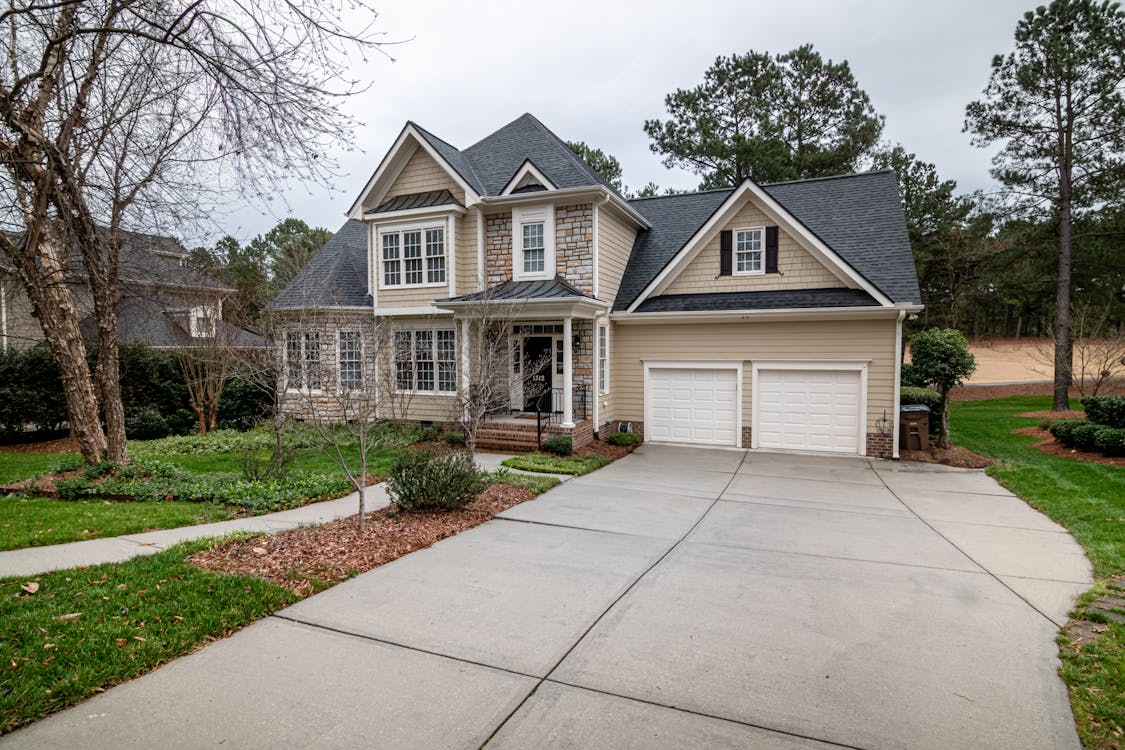
Overland Park is the second-largest city in Kansas and the largest suburb in the Kansas City metro, with roughly 200,000 residents. The KC metro’s median home construction year is 1968, with 52.28% of homes built before 1970 (NeighborhoodScout). OP’s housing stock skews slightly newer — heavy construction from the 1970s through 2000s — but that still leaves thousands of homes with dryer vent installations that are 25 to 50 years old.
Larger Homes Mean Longer Vent Runs
Johnson County has a higher proportion of larger homes compared to the metro average. A 3,000-square-foot home in south Overland Park or the Deer Creek area often has the laundry room positioned in a central location or on an upper floor — far from any exterior wall. That means the dryer vent has to travel 20, 25, sometimes 30 feet through walls, floors, or ceilings to reach the outside.
Every foot of vent adds surface area where lint accumulates. Every 90-degree elbow slows airflow and creates a collection point. Longer, more complex vent configurations need professional cleaning more than short, straight ones — and OP has a disproportionate number of complex configurations due to the size and layout of its housing stock.
Split-Level and Two-Story Complications
Many Overland Park homes feature split-level or two-story layouts where the laundry room sits on a lower level. In these homes, the dryer vent often runs vertically before turning horizontal to reach an exterior wall, or it exits through the roof. Vertical runs are harder to clean and accumulate lint differently than horizontal ones — gravity keeps some lint from traveling up and out, causing it to settle and compact inside the vertical section. We see this pattern frequently in OP neighborhoods built during the 1980s and 1990s, and these homes almost always need annual cleaning to maintain safe airflow.
The Johnson County Builder Standard
During OP’s peak construction decades, builders installed dryer vents that met code but weren’t optimized for long-term maintainability. Vent runs with four or five elbows, undersized rigid pipe, and foil flex connections were standard practice. These installations weren’t unsafe when new — but after 30 to 40 years of lint accumulation and no professional cleaning, they present a meaningfully higher fire risk than modern installations designed with cleaning access in mind.
Is your home’s dryer vent original? If you live in an OP home built before 2000 and can’t confirm that the vent has been professionally cleaned, it’s worth scheduling an inspection. The condition inside the vent will tell you whether cleaning is needed.
Frequently Asked Questions About Dryer Vent Cleaning in Overland Park
How much does dryer vent cleaning cost in Overland Park?
HomeAdvisor reports dryer vent cleaning costs $100 to $250 nationally, with most homeowners paying $150 to $200. Kansas City pricing aligns closely with that national range. Factors like vent length, roof versus wall exit, and severity of the clog affect where your price falls. For a detailed pricing breakdown, our dryer vent cleaning cost guide covers everything that influences the final number. Calling for a quote based on your specific vent setup gives you the most accurate estimate.
How do I know if my dryer vent is clogged?
The most common warning signs are extended drying times (clothes needing two cycles), excessive heat on the dryer’s exterior surface, a burning smell during operation, visible lint around the exterior vent cap, and a laundry room that feels humid while the dryer runs. Any of these individually warrants an inspection. If you’re seeing multiple signs, your vent is almost certainly restricted and should be cleaned promptly to reduce fire risk. The NFPA reports failure to clean causes 33% of all dryer fires.
Can I clean my dryer vent myself?
You can and should clean the lint trap after every load. Hardware store brush kits let you reach several feet into the vent from the dryer connection. For short, straight vents with light buildup, DIY brushing can help between professional cleanings. But for vents longer than 15 feet, those with multiple bends, roof exits, or heavy accumulation, professional equipment makes the difference. DIY tools can’t match the suction power needed to capture loosened lint, and without airflow verification, you won’t know if the vent is actually clear.
Is dryer vent cleaning really necessary every year?
Yes — for most homes. The NFPA reports 15,970 dryer-related home fires annually, and failure to clean is the leading cause at 33%. Overland Park’s heavy seasonal dryer use (roughly 7 months of near-daily operation), larger homes with longer vent runs, and Johnson County’s aging housing stock all accelerate lint buildup. Households with pets, large families, or complex vent configurations may benefit from cleaning every 6 to 12 months. Annual cleaning is the minimum responsible interval for fire prevention.
What’s the difference between dryer vent cleaning and dryer flex replacement?
Dryer vent cleaning removes lint from the rigid vent line that runs from behind your dryer through the wall to the exterior of your home. Dryer flex replacement addresses the short, flexible connector between the dryer and the wall port. If the flex duct is crushed, torn, or made of unsafe material (foil or vinyl), it should be replaced with semi-rigid aluminum during the cleaning visit. The vent cleaning handles the long run; the flex replacement handles the connection point. Both are important for fire prevention.
Should I schedule dryer vent cleaning and air duct cleaning at the same time?
If both services are due, yes. Bundling saves you a second appointment, reduces total cost by sharing setup and travel time, and addresses fire safety (dryer vent) and indoor air quality (HVAC ducts) in one visit. NADCA recommends HVAC duct cleaning every 3 to 5 years, while dryer vents should be cleaned annually. When the timelines overlap, scheduling both together is the most efficient approach. For more on air duct cleaning in Overland Park, our dedicated service page covers what’s involved.
Protect Your Overland Park Home With Professional Dryer Vent Cleaning
The statistics are straightforward. The NFPA reports 15,970 dryer-related home fires annually — 33% caused by failure to clean. The CPSC puts the count at 15,500 fires, $84.4 million in damage, and 10 deaths per year. Lint is the fuel. A clogged vent is the ignition pathway. And the solution is a professional cleaning that costs less than a single premium grocery run.
Overland Park homeowners face conditions that make this maintenance more urgent, not less. Johnson County’s larger homes with longer vent runs, decades-old original installations, and seven months of heavy dryer use from Kansas winters all accelerate lint buildup beyond what homeowners in milder climates experience. Annual dryer vent cleaning isn’t overcautious here. It’s the baseline.
The first step is simple: find out what’s inside your vent. A professional cleaning takes 30 to 60 minutes, costs $150 to $200 for most homes, and gives you verified airflow and peace of mind. If the flex duct behind your dryer needs replacement, that can be handled during the same visit. And if you’re also due for air duct cleaning, bundling both services into one appointment saves time and money.
Call us at 816-377-1898 or visit our services page to schedule your dryer vent cleaning in Overland Park. For detailed pricing information, read our dryer vent cleaning cost guide. For broader context on indoor air quality in your home, our post on indoor air pollution sources covers nine contaminants you might not expect. And for Overland Park homeowners who want to address their HVAC ducts as well, our air duct cleaning tips for Overland Park covers seven essential steps. If your HVAC system itself needs repair or replacement, we’ll refer you to our trusted partner, JOCO HVAC, who serves Johnson County directly.